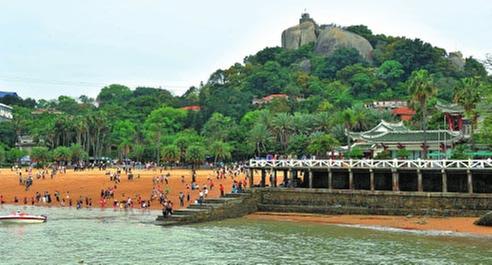
Minnan Culture
Introduction
Minnan Culture, also known as Southern Fujian Culture, refers to the cultural practices and traditions originating from the Minnan region in southern Fujian province, China. This culture is renowned for its rich history, unique language, traditional arts, and distinct architecture. Minnan Culture has significantly influenced not only the local communities but also the broader Chinese cultural landscape and overseas Chinese communities, especially in Southeast Asia.
Minnan culture is deeply rooted in the social life of the people of southern Fujian, encompassing a wide array of cultural elements such as language, music, dance, opera, festivals, cuisine, and architecture. The cultural practices are characterized by a blend of local traditions and influences from foreign cultures due to the region's historical role as a significant hub for maritime trade. This fusion of cultures has endowed Minnan culture with a unique charm and vitality, making it a vital component of China's intangible cultural heritage.
History
The history of Minnan Culture is intertwined with the development of the Minnan region, which includes cities such as Xiamen, Quanzhou, and Zhangzhou. The region has long been an essential part of China's maritime activities, especially during the Tang (618-907) and Song (960-1279) dynasties, when Quanzhou served as a bustling port on the Maritime Silk Road. This strategic location facilitated cultural exchanges and the integration of diverse cultural elements from across Asia and beyond.
Minnan Culture has also been shaped by its historical figures, such as Su Song and Zhu Xi, who left lasting legacies in the fields of science and philosophy. Over the centuries, Minnan Culture has been preserved and evolved through local customs, religious practices, and the arts, maintaining its vibrancy and relevance even today.
Language
The Minnan language, often referred to as Hokkien or Southern Min, is a major linguistic element of Minnan Culture. It is widely spoken in Southern Fujian and among the Minnan diaspora overseas. The language features a rich vocabulary and tonal variations that distinguish it from Mandarin and other Chinese dialects. Known for its melodic and expressive nature, the Minnan language plays a crucial role in daily communication, traditional arts, and cultural expressions within the community.
Minnan is not just a means of communication but also a vessel for conveying the region's rich cultural heritage through oral traditions, songs, and folklore. It serves as a cultural bridge connecting Minnan people globally, preserving their identity and heritage across generations.
Traditional Arts
Music and Dance
Minnan Culture is renowned for its traditional music and dance forms, which are deeply embedded in the social and cultural fabric of the region. Among these, Nanyin music stands out as one of the oldest and most cherished forms of Chinese music, dating back to the Tang Dynasty. Recognized by UNESCO as an Intangible Cultural Heritage, Nanyin features slow, elegant melodies performed using unique instruments like the dongxiao (a bamboo flute) and the pipa (a crooked-neck lute). Music is integral to various ceremonies and festivities, reflecting the region's musical heritage and emotional landscape.
Dance, too, is a vibrant aspect of Minnan Culture. Traditional dances often accompany ceremonies and celebrations, with performances featuring elements such as dragon dance and lion dance, which symbolize prosperity and good fortune. These dance forms not only entertain but also serve as a means of cultural transmission and community bonding.
Opera
Opera in Minnan Culture is a significant art form, with several regional styles that have developed over centuries. The most notable is Liyuan Opera, which originated in Quanzhou. It is one of China's oldest opera forms, characterized by its distinct music, elaborate costumes, and stylized movements. Another prominent style is Gaojia Opera, known for its comedic elements and vibrant performances. These operatic traditions play a crucial role in preserving historical narratives and cultural values, providing both entertainment and education to audiences.
Handicrafts
Traditional handicrafts are an important aspect of Minnan Culture, showcasing the region's artistic skills and creativity. Handicrafts such as bead embroidery and lacquer thread sculpture are passed down through generations, preserving ancient techniques and artistic expressions. These crafts reflect the community's artistic sensibilities and attention to detail, often inspired by local folklore, nature, and daily life. The continued practice and appreciation of these crafts contribute to the cultural richness and diversity of Minnan society.
Festivals
Festivals in Minnan Culture are vibrant expressions of community spirit, tradition, and religious devotion. Celebrations like the Lantern Festival, Dragon Boat Festival, and Mid-Autumn Festival are marked by unique customs and rituals specific to the Minnan region. These events are often accompanied by traditional music, dance performances, and local delicacies, fostering a sense of community and continuity.
A particularly significant festival is the Wangchuan ceremony, which is rooted in the folk customs of worshiping Ong Yah, a deity believed to protect people and their lands. The Wangchuan ceremony reflects the historical memory of ocean-going ancestors and honors the harmony between humans and the sea, highlighting the region's deep connection to maritime culture.
Cuisine
Minnan cuisine is famous for its bold flavors, diverse ingredients, and innovative cooking techniques. Known for its seafood dishes, Minnan cuisine incorporates fresh, locally-sourced seafood with unique seasonings and preparations. Popular dishes include oyster omelets, sea worm jelly, and braised duck with ginger, each offering a taste of the region's culinary heritage.
Street food and snacks also play a vital role in Minnan culinary culture, with offerings like peanut soup and manjiangao, a dessert made with sweet pastry layered with brown sugar, sesame seeds, and crushed peanuts. The cuisine reflects the region's openness to diverse influences, resulting in an eclectic and flavorful food culture that continues to delight locals and visitors alike.
Architecture
The architecture of the Minnan region showcases a blend of traditional Chinese styles and Western influences, a testament to the area's historical significance as a trading hub. Traditional Minnan architecture is characterized by its red-brick buildings, swooping roof ridges, and intricate wood carvings. These structures often feature courtyards and are designed to harmonize with the natural environment, reflecting traditional Chinese principles of balance and aesthetics.
Notable architectural sites include Gulangyu Island, known for its concentration of historical buildings and diverse architectural styles. The preservation and restoration of these sites highlight the community's commitment to maintaining its cultural heritage and promoting its architectural legacy.
Influence and Legacy
The influence and legacy of Minnan Culture extend beyond the borders of Fujian province, impacting Chinese culture and the broader Asian region. The Minnan diaspora has played a crucial role in spreading the culture globally, particularly in Southeast Asia, where it has left a lasting imprint on local customs, language, and cuisine.
Minnan Culture's rich heritage and dynamic evolution continue to inspire contemporary artists, scholars, and cultural enthusiasts. Efforts to preserve and promote Minnan traditions, such as the establishment of cultural reserves and educational programs, ensure that this vibrant culture remains a vital part of the global cultural tapestry.








